
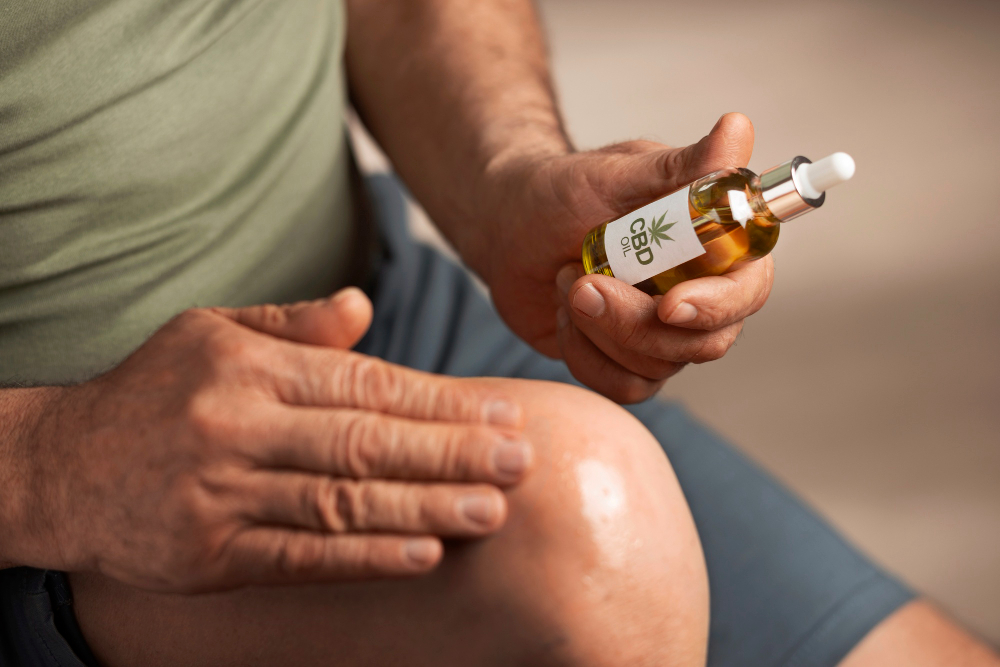
Many people notice their joints feel stiff and achy when winter arrives. Cold weather can make moving harder, especially for older adults. However, Ayurveda helps manage joint stiffness during winter by offering natural ways to ease discomfort. This ancient Indian system uses herbs, oils, and daily habits to support joint health. Let’s explore how Ayurveda can help you stay flexible and comfortable during the colder months.
What Causes Joint Stiffness in Winter?
First, it’s important to know why joints feel stiffer in winter. Cold weather can slow blood flow to your joints. As a result, your muscles and tissues may tighten. For some, this leads to pain and less movement. In addition, people often stay indoors and move less during winter. This lack of activity can make joints even stiffer.
Because of these reasons, joint pain and stiffness are common in colder climates.
How Ayurveda Explains Joint Stiffness
According to Ayurveda, winter increases the “Vata” dosha. Vata is linked to air and space elements. When Vata rises, dryness and coldness in the body also increase. This can lead to stiff, painful joints. Ayurveda believes that keeping Vata balanced is key to healthy joints, especially in winter. Therefore, warming and nourishing practices are often suggested.
Ayurvedic Remedies for Joint Stiffness
Ayurveda offers several natural remedies for winter joint pain. Many of these focus on warming the body and improving joint movement. Here are some popular Ayurvedic remedies for winter joint pain:
Always talk to a healthcare provider before starting new herbs or supplements. The World Health Organization (WHO) suggests using traditional medicine safely and with guidance.
Lifestyle and Dietary Tips from Ayurveda
Besides remedies, Ayurveda also recommends daily habits to support joint health. These tips can help you feel better during winter:
Additionally, Ayurveda suggests avoiding cold, raw foods and limiting caffeine, as these can increase dryness in the body.
Prevention: How to Avoid Joint Stiffness in Cold Weather
Preventing joint stiffness is easier than treating it. Here are some natural ways to ease stiff joints in cold weather:
For people living in colder climates, these habits can make a big difference. Even small changes can help prevent winter joint pain.
When to Seek Professional Help
Sometimes, joint stiffness may signal a more serious problem. If you notice swelling, redness, or severe pain, it’s time to see a doctor. Also, if your joint pain lasts more than a few weeks, get medical advice. Early treatment can prevent further problems.
In summary, Ayurveda helps manage joint stiffness during winter with natural remedies, healthy habits, and preventive care. However, always consult Pransutra – The Longevity Clinic for personalised Ayurvedic guidance on managing joint stiffness and maintaining mobility throughout the season.